What makes a Great Wall walk “wild”?
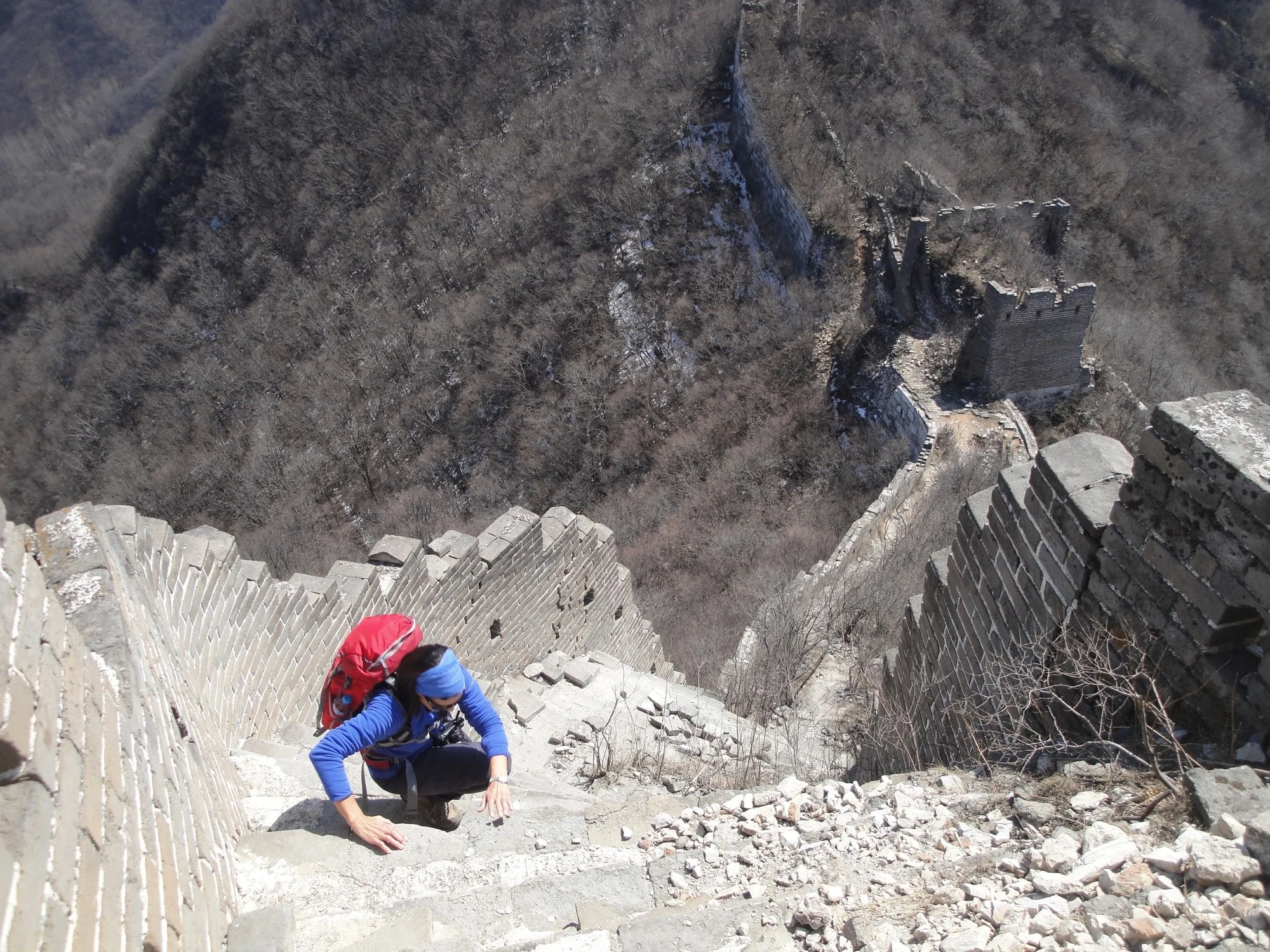
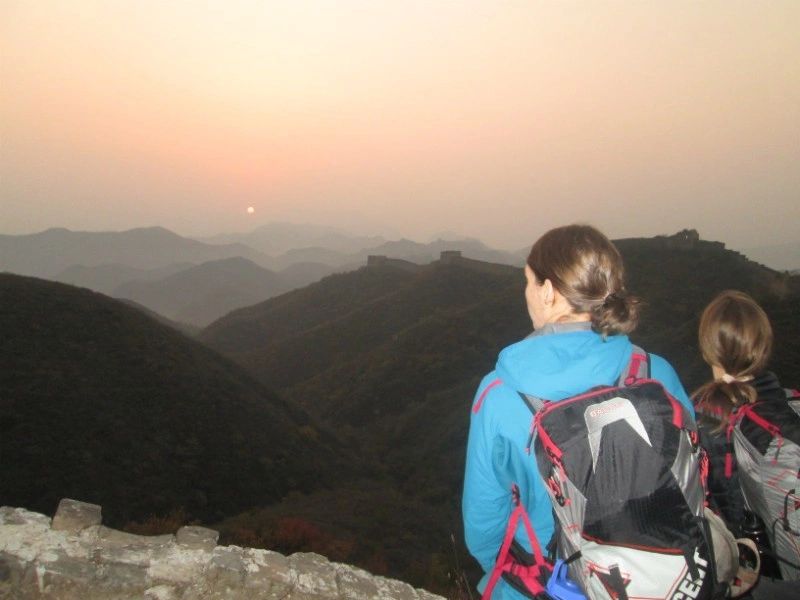
A wild Great Wall hike explores unrestored or substantially weathered defenses. The appeal lies in the original brickwork, damaged towers, and the close relationship between the Wall and the mountain terrain. These routes require more attention to footing and route selection than a conventional restored visit.
A wild setting is never a reason to improvise access or assume that every ridge is part of the itinerary. The selected route, current access, walking distance, and guiding arrangements should be confirmed for your chosen program.
Find your kind of wild Wall hike
Choose the challenge with care
Wild Great Wall routes may involve loose stones, damaged parapets, steep slopes, and exposed ground. Your comfort on those surfaces matters as much as general fitness. Tell us about your hiking background, preferred daily walking time, and the ages of your travelers.
If you prefer a more predictable walking surface, consider a private Mutianyu visit or compare the options at Jinshanling. You can still enjoy mountain views and varied Great Wall architecture.
Plan your wild Great Wall hiking tour
Share your Beijing dates, group size, hotel, and hiking experience. We will help you compare routes, explain the transport and guiding arrangements, and prepare a proposal for the experience you want.
Plan my wild Wall walk →Questions about wild Great Wall hiking
Is the wild Great Wall the same as a restored section?
No. Wild sections retain weathered or unrestored masonry and can have more uneven, rugged terrain. Each itinerary explains its own walking requirements.
Which wild Great Wall route should I choose?
Gubeikou–Jinshanling offers a historic crossing between contrasting sections. Jiankou–Mutianyu has a steeper, more rugged approach. Compare the itineraries and tell us about your experience before deciding.
Can I combine wild Wall hiking with camping?
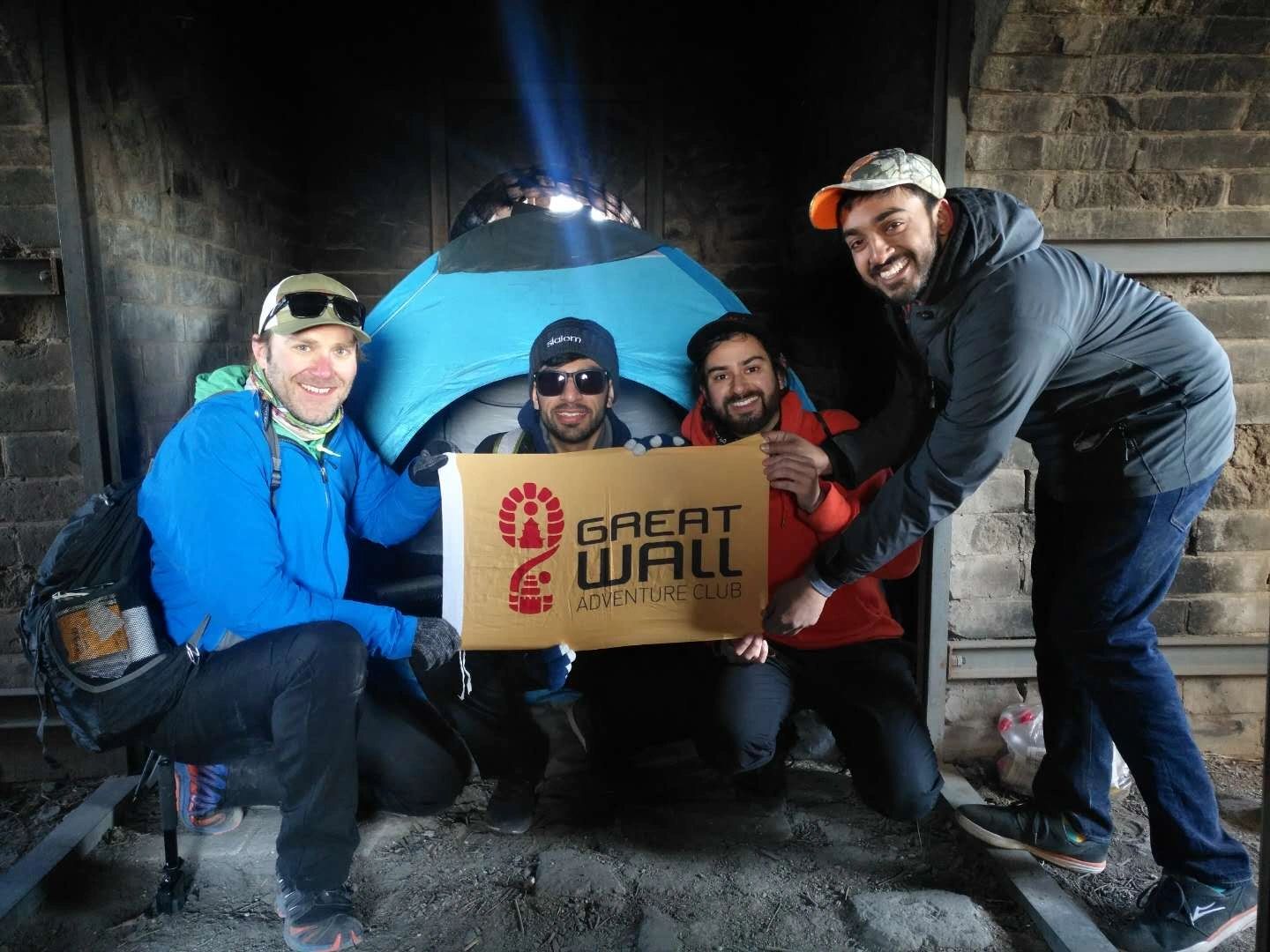
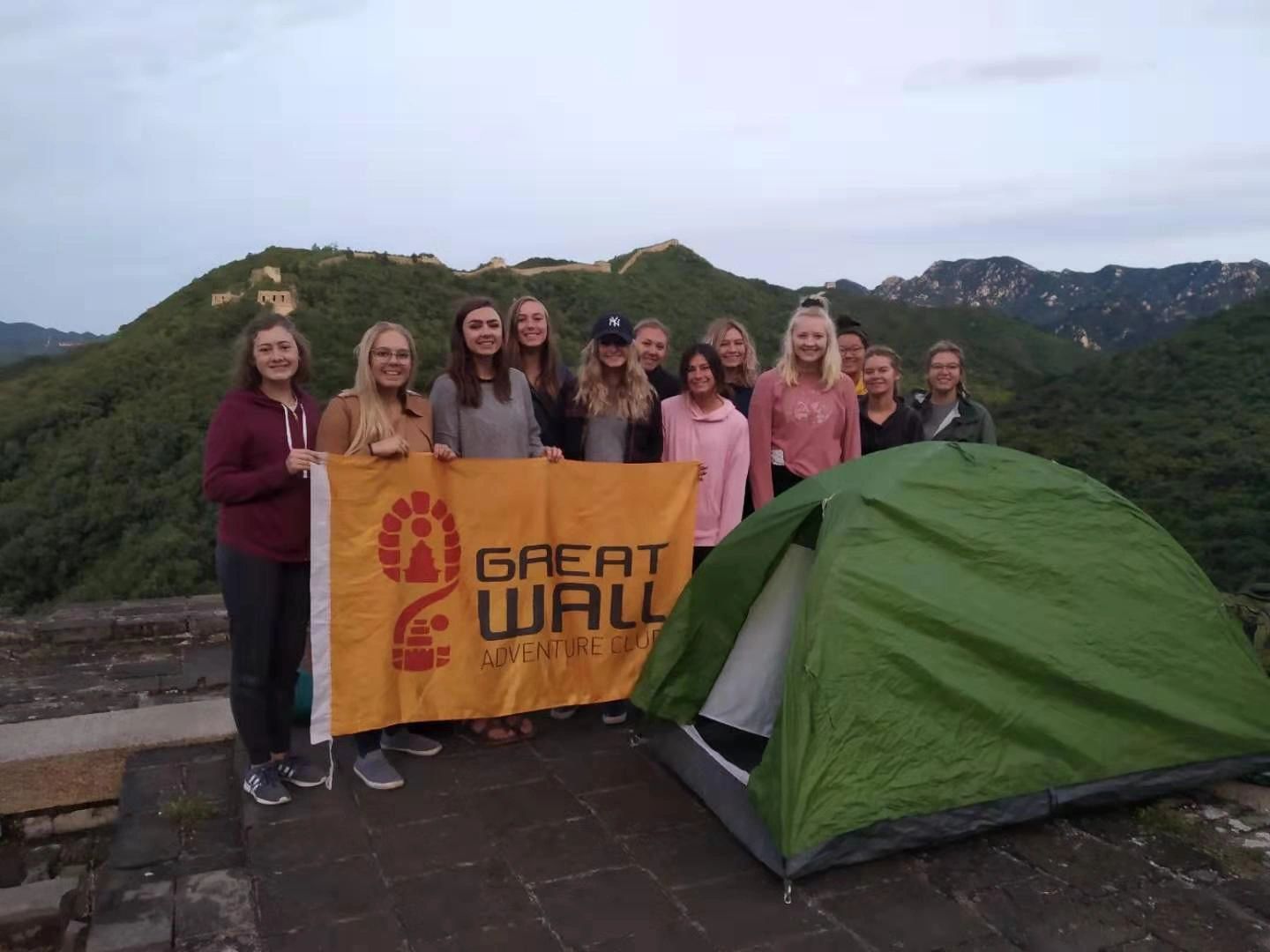
Yes, several published programs combine hiking with a Great Wall overnight. Visit the camping tours page for the route and camp arrangements.